



-
 Photos
companies
-
 Photos
companies
About Us
ООО Сычуань Жуйчаосин Торгово-промышленность
Our company Sichuan Ruichaoxing Trade and Industry Co., Ltd., with a registered capital of RMB 50 million, purchased a 20-acre industrial and office building in Chaoshan Industrial Park, Pengxi County, Suining City, Sichuan Province, due to the need to expand its business. The company will specialize in smart home cabling and smart engineering systems, providing customers with comprehensive system solutions and a full range of products and services such as structured cabling systems, system integration, smart security systems, smart home and smart transportation.

Saving your time
Reliable company
fast response
The main activities of our company include
Research, development, production, sales and after-sales service of low-voltage engineering cable systems; Research, development, production, sales and after-sales service of audiovisual conference systems; Research, development, production, sales and after-sales service of high definition digital cable systems.
The main activities of our company include:
Research, development, production, sales and after-sales service of low-voltage engineering cable systems; Research, development, production, sales and after-sales service of audiovisual conference systems; Research, development, production, sales and after-sales service of high definition digital cable systems.
-
Production capacity: stable production capacity, controlled delivery times
-
Quality Assurance: Strict quality control process, reliable quality
-
Response to requests: efficient and timely, support at all stages
Company advantages

Popular Products
The company will specialize in smart home cabling and smart engineering systems, providing customers with comprehensive system solutions and a full range of products and services such as structured cabling systems, system integration, smart security systems, smart home and smart transportation.
More details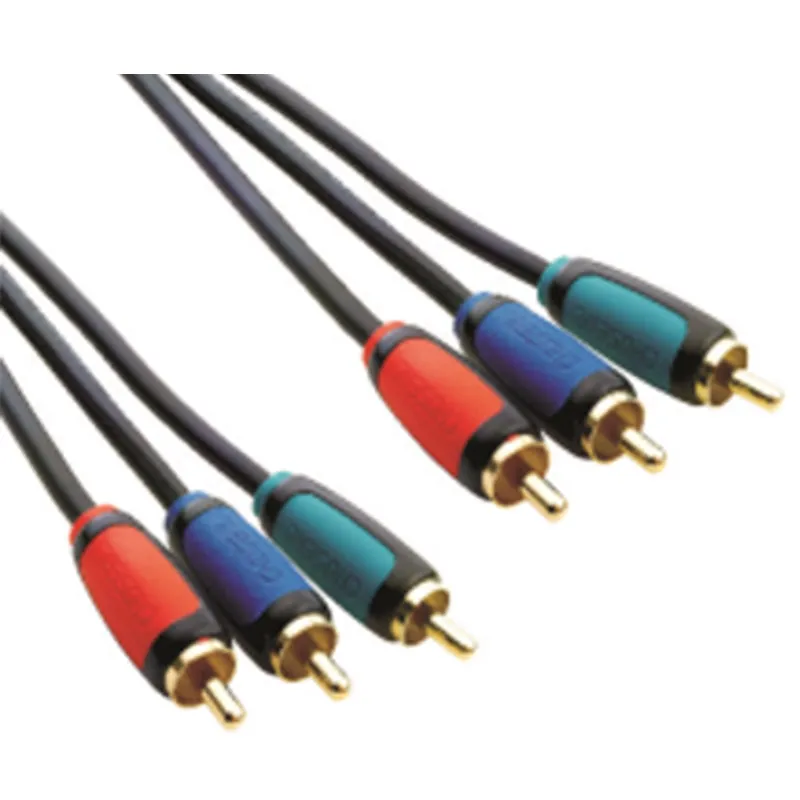
Component video interface
Component interfaces use two identifiers: YPbPr and YCbCr. The first indicates the output of the progressive scan component, and the second indicates the output of the interlace component. Component interfaces typically use three signal lines to carry luma signals and two chrominance signals. These three groups of signals are: brightness, denoted as Y; and color difference signals obtained from two primary color signals (blue and red) after subtracting the luminance signal, denoted as Pb and Pr, or Cb and Cr. They differ on the connectors by color coding: green, blue and red, respectively. If these three lines are not connected correctly, the image may not be displayed at all or may appear with distorted colors. The component video interface is an analog connection that supports video signal formats such as 480i/480p/576p/720p/1080i/1080p. It does not transmit audio signals. Transmission distance: approximately 20 meters.
More details 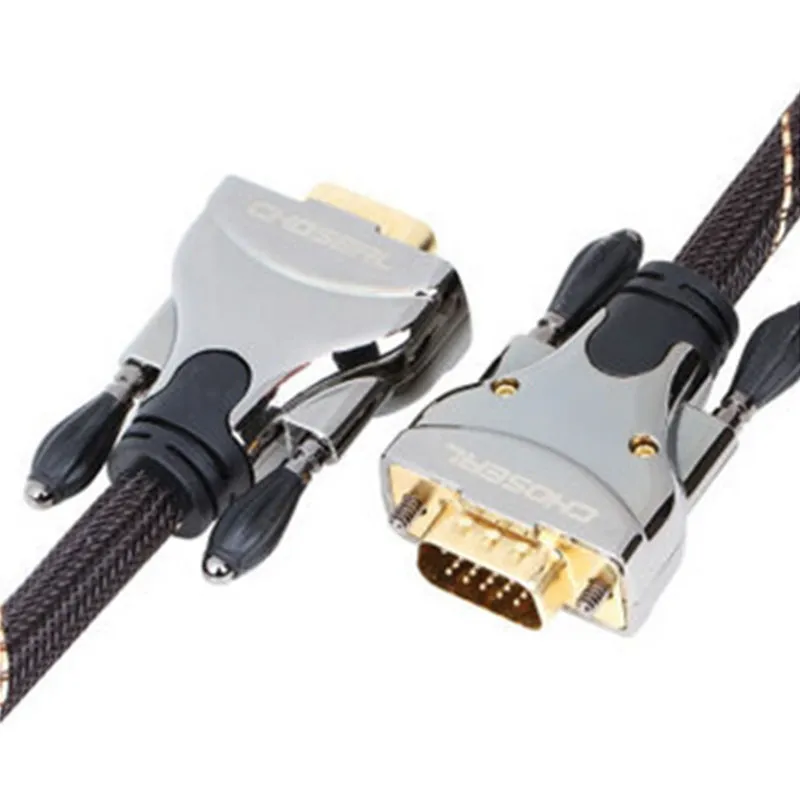
VGA interface
VGA, also known as D-Sub, has a 15-pin connector arranged in three rows of five pins each. This interface is the most common type on video cards and is present on the vast majority of models. It transmits red, green and blue analog signals along with synchronization signals (horizontal and vertical). When connecting devices via VGA, the cable length should ideally not exceed 10 meters. Make sure that the connectors are securely fastened, as loose connections may cause ghosting in the displayed image. VGA supports 16 colors or 256 shades of gray at higher resolutions such as 640x480, while maintaining 256 colors at 320x240. Later updates increased the video memory to 1 MB, allowing support for higher resolutions such as SVGA (800x600) or XGA (1024x768). Subsequently, expanded resolutions appeared, including SXGA (1280x1024), SXGA+ (1400x1050), UXGA (1600x1200), WXGA (1280x768), WXGA+ (1440x900), WSXGA (1600x1024), WSXGA+ (1680x1050), WUXGA (1920x1200) and WQXGA (2560x1600). All of these VESA compliant resolution signals can be transmitted through the VGA interface.
More details 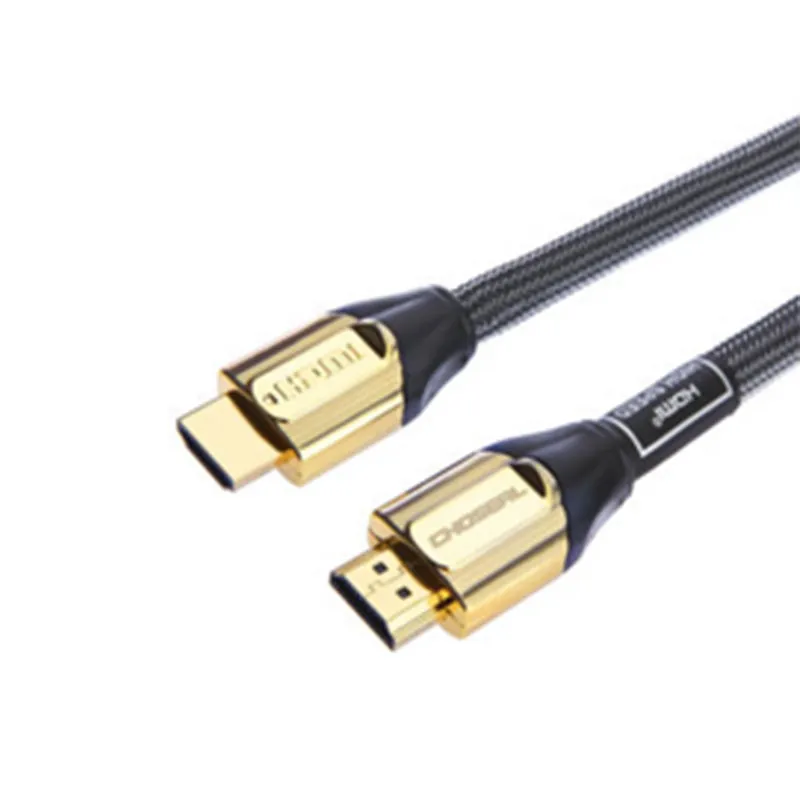
HDMI interface
HDMI is a next-generation multimedia interface standard that stands for High Definition Multimedia Interface. This standard was introduced in April 2002 by seven companies, including Sony, Hitachi, Panasonic, Philips, Toshiba, Silicon Image and Thomson (RCA). The current maximum version is 2.0, with a maximum data transfer rate of 18 Gbps. Currently, only HDMI has the ability to simultaneously carry audio and video signals over a single data cable, hence its common name "universal high-definition cable". Although functionally similar to RF interfaces, HDMI uses all-digital signal transmission, which avoids the image degradation problems associated with RF connections. The adapter can convert HDMI to DVI, but audio signals will be lost. High quality HDMI cables can maintain excellent picture quality even over distances of up to 30 meters without signal boosters. The latest 2.0 standard builds on version 1.4 and upscales resolution to 4K*2K ultra-high definition while maintaining 3D and 1080p compatibility.
More details 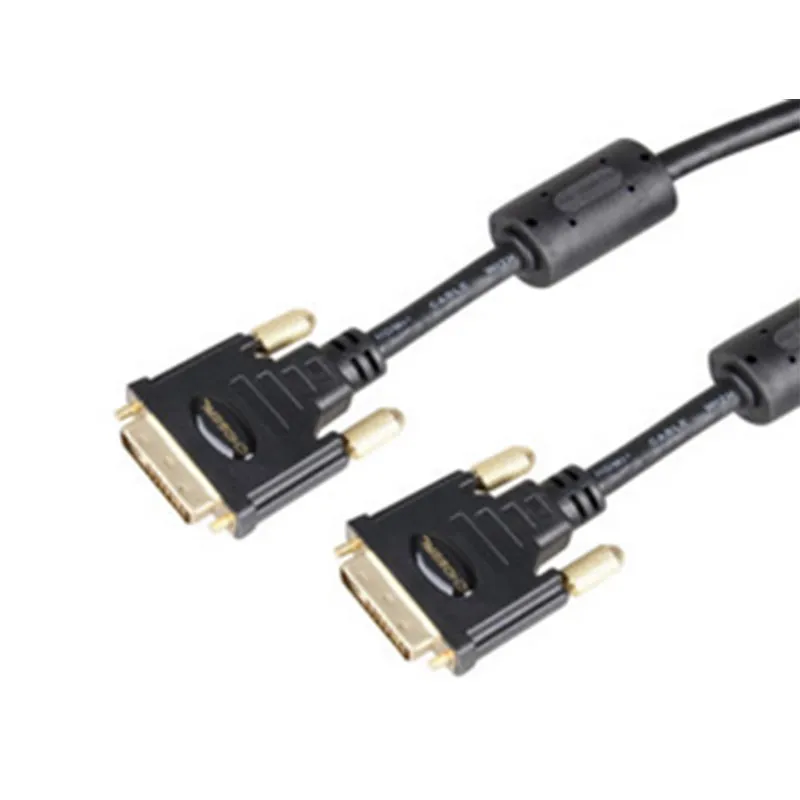
DVI interface
DVI interface, or digital video interface. The DVI interface standard was introduced in 1999 by the Digital Display Working Group (DDWG), a consortium that includes Silicon Image, Intel, Compaq, IBM, HP, NEC, Fujitsu and other companies. Currently, there are two common types of DVI interfaces: DVI-Digital (DVI-D) and DVI-Integrated (DVI-I). DVI-D only supports digital signals, while DVI-I supports both digital and analog signals, which means DVI-I offers greater compatibility. DVI signals typically support an effective transmission range of 5-7 meters. DVI signal line extenders are commercially available to extend the transmission range of DVI signals to approximately 30 meters. DVI has a bandwidth of 1.65 Gbps.
More details 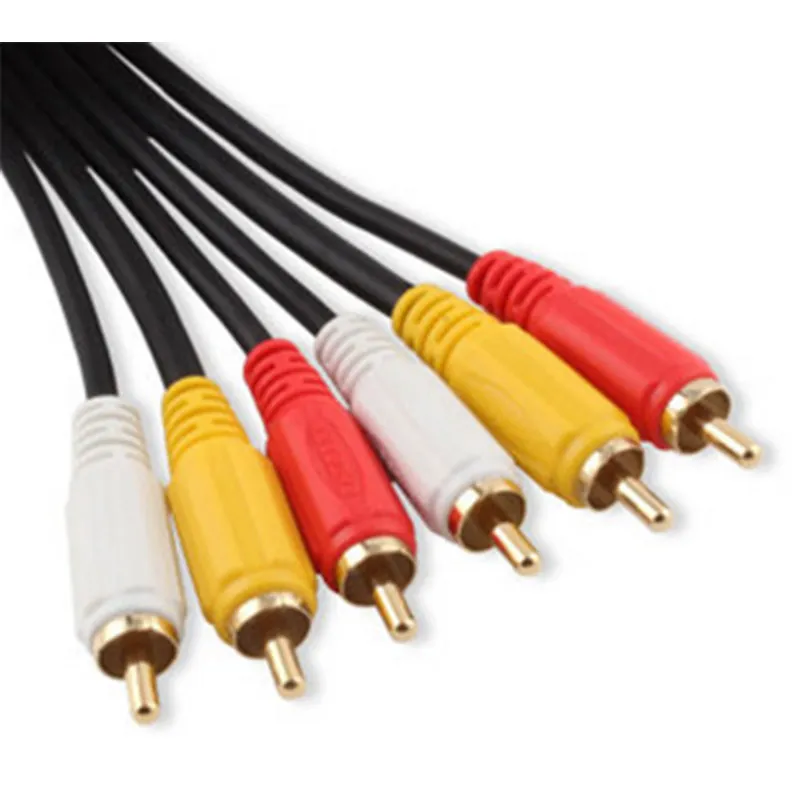
Audio-video interface AV
Currently, composite video AV cables are the most common interface in audio-visual devices. These are analog interfaces consisting of three RCA connectors: yellow, white and red. The yellow jack carries video signals, the white jack carries left channel audio, and the red jack carries right channel audio. Composite AV cable provides separate transmission of audio and video signals, avoiding picture quality degradation caused by interference when mixing audio and video. However, since the AV interface still transmits a mixed luma/chroma (Y/C) video signal, the display device still needs to perform luma/chromina separation and chroma decoding to form an image. This process of mixing and subsequent separation inevitably results in the loss of the color signal, and the chrominance and luma signals also have a high probability of interfering with each other, thus affecting the quality of the final output image. 75-3 (approximately 100 meters); 75-5 (approximately 300 meters)
More details Customer Reviews
Our company provides equipment and production support to many well-known domestic and Sichuan listed enterprises and companies.
Product quality is stable and reliable;
Over the course of many years of cooperation, we have always been confident in our partner, and after-sales service is organized at the highest level.

Deliveries are carried out on time, communication is efficient and unhindered, the company promptly responds to our requests for orders - this is a reliable supplier with whom it is worth cooperating in the long term.

News
News
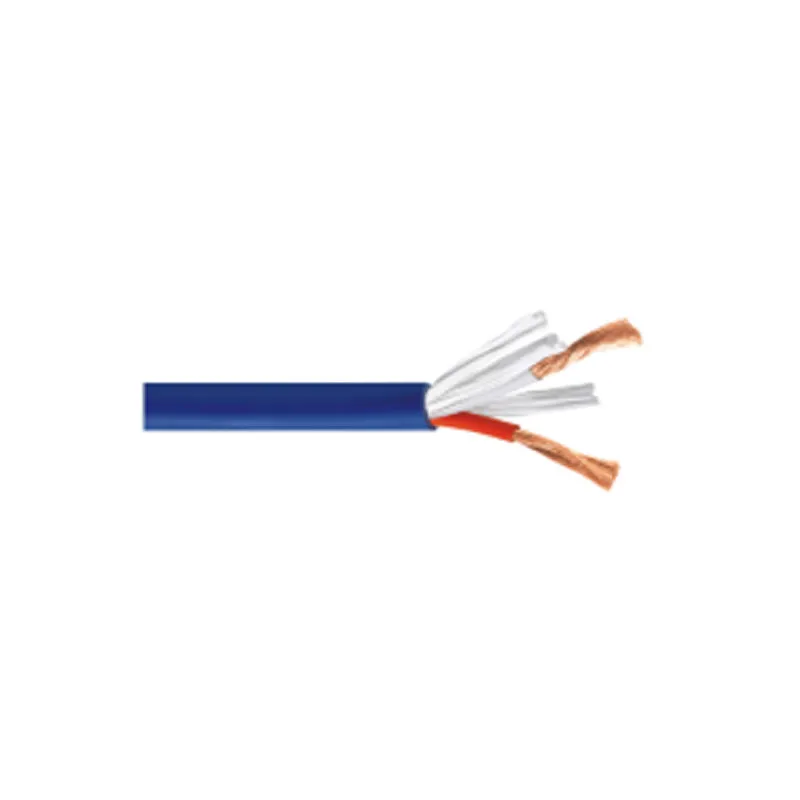
Professional audio cables for stage: reliable connection for sound transmission
In the professional audio industry, a high-quality audio cable serves as an important conduit for flawless sound transmission. The blue jacketed stage audio cable pictured here is exactly the type of professional audio cable that is designed for demanding environments. It uses high-purity, oxygen-free copper conductors that not only provide exceptional electrical conductivity, but also minimize signal loss. This ensures clarity and transparency of high-frequency details, as well as deep and powerful low-frequency sound. The outer layer has a durable blue PVC shell that provides excellent abrasion resistance, tear strength and weather protection. This design withstands frequent drag and bending on stage while remaining flexible even in low temperatures, preventing cable cracking and aging. Internal red and white insulated wires clearly distinguish between positive and negative terminals. Combined with moisture-resistant cotton paper padding, this design makes installation and connection easy, and effectively isolates electromagnetic interference, eliminating noise and signal distortion. From large concerts to theatrical performances, from outdoor music festivals to studio recordings, this cable provides stable audio transmission, serving as a reliable audio bridge for sound engineers. In the modern quest for maximum sound quality, professional audio cables have long gone beyond their role as mere “conductors” and have become an extension of the art of sound. Their reliable quality ensures that every note reaches the listener's ears with precision, imbuing the live atmosphere with soul.
More details 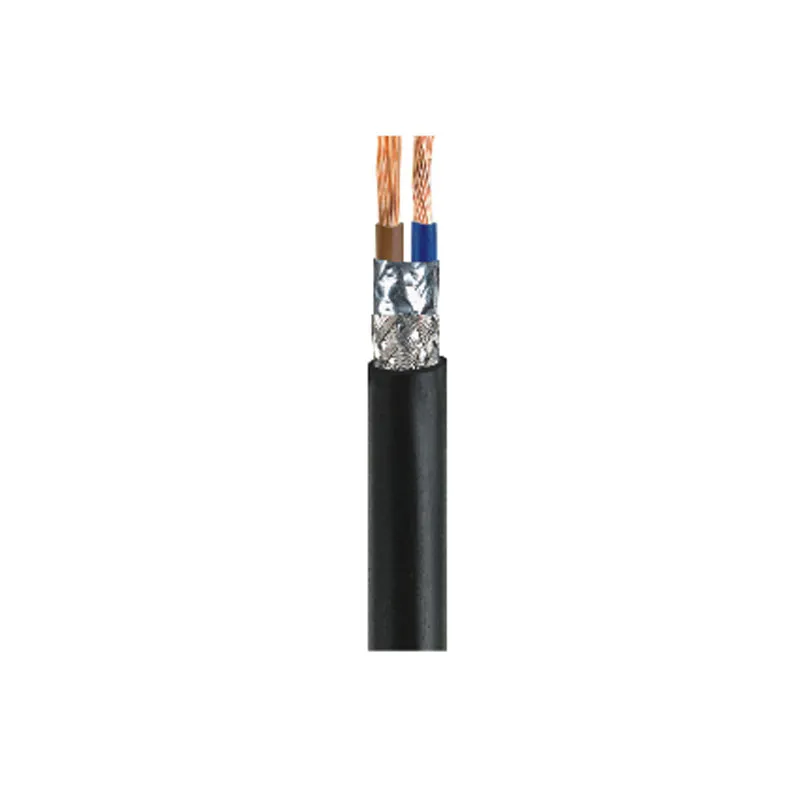
News
Invisible signal transmission protector: RVVP shielded cable
In modern low-voltage engineering and industrial automation systems, stable signal transmission is fundamental to system reliability. Shielded RVVP cable plays a key role in ensuring signal integrity and protection from interference. Its unique design and performance advantages make it the preferred choice for challenging electromagnetic environments. Structurally, RVVP cables are multi-layer protected from the core to the outside: the central core consists of multi-stranded oxygen-free copper conductors, providing both excellent conductivity and exceptional flexibility for easy installation in tight spaces or complex piping systems. The conductors are surrounded by a layer of PVC insulation that effectively isolates crosstalk between cores while providing high chemical resistance and mechanical protection. Importantly, the intermediate shielding layer, usually consisting of aluminum foil and copper braid, acts as a protective "gold shield" for the signal. It effectively blocks external electromagnetic interference, preventing noise generated by devices such as frequency converters, motors and wireless base stations from affecting signal accuracy. The PVC outer sheath further enhances the cable's abrasion and weather resistance, making it suitable for installation in a variety of indoor and outdoor environments. This design allows RVVP cables to work well in various sectors. In CCTV systems, they serve as the nerve center for cameras, access control and alarm devices, providing crystal clear video images and accurate transmission of control commands, while also eliminating false alarms and signal interruptions. In industrial automation systems, they connect PLCs and sensors, reliably transmitting critical data such as temperature and pressure, and acting as a “signal backbone” for intelligent production lines. In audio and high-precision medical equipment, they provide the most detailed sound reproduction and ensure accurate measurements, protecting devices from electromagnetic interference that can degrade their performance. Compared to standard unshielded cables, RVVP cables provide 60% greater immunity to interference, maintaining a stable signal-to-noise ratio in the 70 dB range. This makes them the primary solution for combating interference and ensuring stability in low-voltage engineering projects. From building automation to data acquisition, from intrusion alarms to industrial control, their reliable performance seamlessly powers today's intelligent systems, earning them the name “signal guardians.”
More details 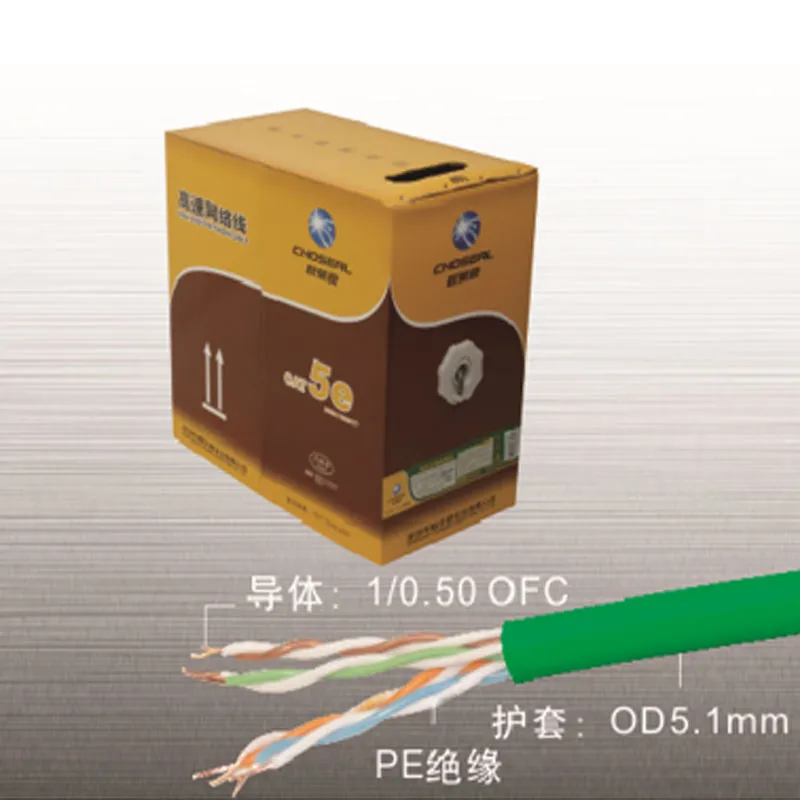
News
Category 5e Ethernet Cable: Cost-Effective Choice for Home and Office Networks
In today's increasingly digital world, a high-quality network cable remains fundamental to ensuring a stable and uninterrupted Internet connection. Category 5e (Cat5e) cables, with their proven technology, reliable performance and affordable price, have become the primary choice for home networks and small offices. 1. Stable performance to meet basic requirements Category 5e Ethernet cable supports data transfer rates from 100Mbps to 1Gbps, which is sufficient for everyday tasks such as HD video streaming, online office work and online gaming. Featuring 4-pair 8-core twisted pair cable, they effectively minimize signal interference and ensure transmission distance of up to 100 meters. Whether cabling throughout the home or connecting workstations in the office, they ensure stable and reliable network operation. 2.Rugged construction with excellent durability High quality Category 5e network cables typically use oxygen-free OFC copper conductors, which provide superior conductivity and lower signal attenuation than standard copper-clad aluminum materials, while remaining resistant to oxidation and degradation over long-term use. The PE insulation layer surrounding the core, combined with a 5.1mm OD PVC/PE shell, effectively resists stretching, abrasion and everyday environmental influences. This guarantees the longevity of the cable even in difficult installation conditions. 3. Wide Application and High Compatibility Category 5e network cables have exceptional compatibility and can be easily integrated with routers, switches, computers, security cameras and other network devices. Поддерживая как традиционные сети со скоростью 100 Мбит/с, так и обеспечивая плавный переход к гигабитным сетям, они представляют собой экономически выгодный выбор для модернизации сети без опасений по поводу несовместимости устройств или интерфейсов. 4.Выбор в пользу высокой ценности за деньги По сравнению с кабелями категории 6 и категории 7, кабели категории 5e предлагают более выгодные цены и проще в установке и развертывании. Для большинства домохозяйств и малых и средних предприятий их производительность вполне достаточна, что делает их идеальным решением, обеспечивающим баланс между стоимостью и удобством использования. При выборе сетевых кабелей не нужно слепо стремиться к более высоким характеристикам; лучший выбор — это тот, который подходит для вашей конкретной ситуации. Кабели категории 5e, благодаря своей стабильной производительности, прочной конструкции и доступной цене, остаются надежным партнером для построения эффективных сетей сегодня.
More details